Phone Calls, Messages & Chaos
How Much Time and Money Is Lost Due to Disorganized Appointment Scheduling?
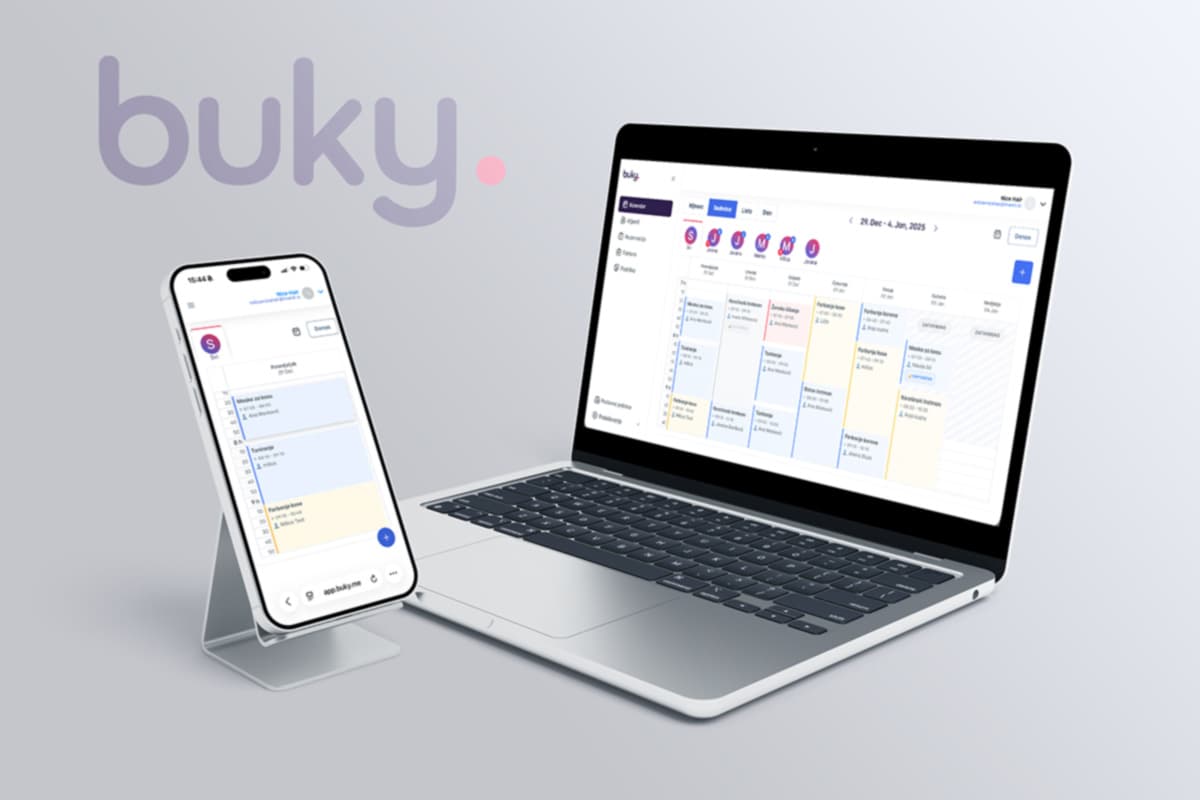
Most salon owners know that appointment scheduling is exhausting. The phone keeps ringing, messages keep coming, appointments get moved, and the day often ends with the feeling that you’ve worked nonstop - yet something still feels off.
What’s noticed far less often is that this exhaustion isn’t just emotional.
It has a very real cost.
Disorganized appointment scheduling doesn’t just create mental clutter. It leads to wasted time in the salon, empty time slots that no one pays for, no-show clients, and days that never reach their full potential.
This article exists to make that visible, without exaggeration or sugarcoating.
What does time loss look like in real life?
Time loss in a salon rarely looks dramatic. It doesn’t happen all at once. It happens in small moments that repeat every day:
- five minutes answering a phone call
- ten minutes replying to messages
- thirty minutes of an empty slot because a client didn’t show up
- another ten minutes to reschedule
By the end of the day, those are no longer minutes. They’re hours.
In an average working day, it’s easy to see where time quietly leaks away. Two empty slots or one no-show client is enough to reduce your potential income significantly, and this doesn’t happen once a month. It happens often.
Empty time slots: the most expensive silence in the salon
Empty slots are often perceived as a “break.” In reality, they’re not breaks - they’re work time that should have been filled but wasn’t.
The most common reasons for empty slots are:
- the client forgot the appointment
- the appointment was written down incorrectly
- a change wasn’t properly recorded
- the client never received a reminder
If your average service costs, for example, 50 dollars, and you have 3–5 empty slots per week, the monthly loss quickly reaches hundreds of dollars.
You worked at the same pace.
The system just didn’t work for you.
Cancellations and no-shows are not the same (but they cost the same)
A cancellation is still information.
A no-show is pure uncertainty.
When a client cancels, there’s still a chance to fill that slot. When a client doesn’t show up, the time is simply lost. The salon is ready, the time is reserved, and no one arrives.
Clients don’t fail to show up only because they’re irresponsible. In most cases:
- they forgot
- the appointment was booked “on the go”
- they didn’t receive a reminder
- the agreement felt informal
When appointments are handled through messages and phone calls, responsibility becomes unclear. There’s no reminder system, no confirmation, no structure - and that’s where the loss begins.
Salon management mistakes that aren’t immediately visible
Mistakes in salon management are rarely big or obvious.
They’re quiet. They appear once exhaustion accumulates.
Disorganized scheduling leads to:
- the constant feeling of being late
- uncertainty about whether the schedule is correct
- having to keep everything in your head
- no clear overview of the day
This doesn’t mean you’re bad at your job. It means too much responsibility rests on you.
When the entire schedule depends on your attention and memory, mistakes are inevitable. It’s not because you’re unprofessional, but because the system isn’t designed to support you.
A realistic working day in a salon
Imagine a completely ordinary day.
An 8-hour workday.
During that day:
- one client is 15 minutes late
- one client doesn’t show up
- two appointments are rescheduled via messages
- you interrupt treatments five times because of phone calls
On paper, the day was “full.”
In reality, you lost:
- at least 45–60 minutes of time
- one full appointment
- focus and energy
If a day like this happens 10 times a month, the loss is no longer abstract. It becomes measurable. And it becomes clear that the problem isn’t a lack of clients - it’s the way appointments are scheduled.
Why does the chaos keep repeating?
Because it’s built on improvisation.
Phones and messages are not a system. They depend on your availability, your focus, and your concentration in the moment.
As long as scheduling depends on you:
- you’re the only control point
- you’re the only reminder
- you’re the only error filter
That’s not sustainable in the long run.
And it’s not fair to you.
What changes when structure is introduced?
When appointment scheduling is handled through a system, things don’t change overnight, but they change permanently.
- appointments become clear
- clients receive reminders
- empty slots decrease
- you gain overview and peace of mind
This is the moment when many salon owners realize that time loss isn’t a “normal part of the job,” but a consequence of outdated tools.
Conclusion
If you recognize yourself in these situations, it’s important to know that there is a simpler way to organize appointments - one that doesn’t require working more, but working smarter.
You don’t need to change your working style or your relationship with clients. It’s enough for scheduling to stop relying on messages, phone calls, and memory.
More and more salons are using systems that take over the technical part of scheduling and leave more space for working with people. If you want to see how this works in practice, you can explore how Buky helps salons work more efficiently.